Renting still assumes you know where you’ll live and for how long. Living as a Service starts from the opposite premise. Here’s what LaaS means, how it works, and what the data says about where renting is headed.
You accept a six month assignment in a new city. The apartment you find wants twelve. It’s empty. Before you can live there you need furniture, internet, utilities, deposits, and a moving truck. Before you leave, you get to unwind all of it.
The assignment is ordinary. The housing around it still runs on a different clock.
For decades renting has assumed stability: one address, one term, one household arrangement. Life rarely cooperates. Projects run long, closing dates move, new jobs start before permanent housing is ready. Living as a Service starts from a more realistic premise, which is that plans change and housing should leave room for that.
What Is Living as a Service?
Living as a Service, usually shortened to LaaS, is an approach to housing that pairs a place to live with flexibility and service. Depending on the provider that can mean a furnished home, adjustable stay terms, bundled essentials, ongoing support, or access to homes across several cities.
You’ll also see it called housing as a service, subscription based housing, or flexible living. Deloitte’s 2026 real estate outlook describes the model as one that emphasizes “flexibility, mobility, and access through a subscription service” instead of lease terms built for a single, fixed occupancy. The label varies by provider, so the actual terms, services, and support matter more than the name.
The common thread is accountability. The provider takes responsibility for more of the living experience, and you have less to coordinate.
Does LaaS Require a Subscription?
No. A subscription is one way to deliver Living as a Service, not a requirement. You might book by the stay, join a membership, or sign a flexible rental agreement.
The category describes the broader shift toward housing that combines a ready home with adaptable terms and ongoing service, however that gets packaged.
How Does Living as a Service Work?
No single checklist defines LaaS, but providers tend to combine some version of these five pieces:
- A home that’s ready. Furniture, kitchen essentials, linens, and the basics are already in place.
- A stay that fits the timeline. You can book around a project, a relocation, or a transition without forcing it into a twelve month lease.
- Fewer accounts to manage. The price may fold in utilities, internet, or other services you’d otherwise set up yourself.
- Support during the stay. The operator stays accountable when something in the home needs attention.
- Access across locations. A provider with homes in several markets makes the next move easier to arrange.
A provider may offer some or all of them. When the WiFi fails, a project gets extended, or the next assignment starts in another city, you have one place to go instead of five.
The Real Test Comes When Plans Change
Putting furniture in an apartment solves the visible half of a move. The harder half starts when the timeline moves.
A six month project becomes eight. A closing gets pushed. A consultant finishes in Dallas and reports to Denver ten days later. Under a standard lease each of those changes triggers another round of calls, contracts, fees, and logistics.
A real service model absorbs more of that change, which gives you a useful way to judge any LaaS offer: does the flexibility survive contact with real life? Flexibility only becomes real when inventory, pricing, support, and local operations can honor it. The apartment matters. The system around it decides whether the experience works.
Is LaaS the Same as a Furnished Apartment?
A furnished apartment solves one visible part of a move. Living as a Service extends to the terms, the services, the support, and your ability to change the plan.
A furnished unit on a fixed yearlong lease is still a furnished rental. A ready home you can book for six weeks, extend when the project runs long, and get help with throughout the stay is closer to LaaS. The hardest part of flexible housing is rarely the sofa. It’s making uncertainty easier to live with.
LaaS vs. a Traditional Lease
| Traditional lease | Living as a Service | |
|---|---|---|
| Commitment | Usually 12 months | Follows the stay; terms and notice vary by provider |
| Setup | Empty unit, separate utility accounts | Furnished home, more of the setup handled |
| Cost structure | Rent, with furniture and utilities elsewhere | More of the total in one price |
| Leaving early | Break fees or finding a subtenant | Built for shorter or adjustable timelines |
| Support | Landlord, utilities, internet, movers, furniture vendors | One operator accountable for more of the stay |
A traditional lease is still the better deal if you’ll stay several years and want the lowest base rent. LaaS earns its place when the timeline is uncertain and setting up twice would cost more than staying flexible. If you’re weighing the exit side of that math, we broke it down in how much it costs to break a lease and what a month to month lease actually involves.
Who Is Living as a Service For?
LaaS fits best when committing to the wrong timeline would cost more than a lower monthly rent saves.
- Corporate relocations. Arrive with housing ready while you decide where to settle. Our guide to corporate housing for job relocation covers that handoff.
- Project work. Consultants, travel nurses, and construction teams work in timelines that fall between a hotel and a yearlong lease.
- A trial run in a new city. People deciding where to settle can test a city before committing to a neighborhood or a mortgage.
- Life between homes. Renovations, insurance repairs, family care, and delayed closings all create a housing need with an uncertain end date.
- Work without a fixed address. Remote work frees you to move; a twelve month lease is often the only thing that doesn’t.
Is Living as a Service the Future of Renting?
The renter math gives the category room to run. Deloitte projects that US renter households could grow from 46.2 million today to as much as 56.3 million by 2035, lifting the share of households that rent from 34.3% to 39.3%. The same outlook expects operators to answer that demand with subscription style, service driven platforms, noting that “even a modest adoption of bundled services across a large portfolio could generate meaningful revenue increases and consistent income streams while strengthening resident retention.”
Developers are already building for it. Purpose built rental communities hit a record 39,000 completions in 2024 according to Yardi Matrix data analyzed by Point2, up 15.5% in a year and more than six times the pace of the years just before the pandemic, with nearly 110,000 more units in development. Phoenix, Dallas, and Atlanta led the list.
The honest caveat: most of the rental market still runs on the twelve month lease, and adoption will vary by city, price point, and customer. The direction is visible. The timeline isn’t.
Where Landing Fits
Landing didn’t adopt this model. It launched with it.
When Bill Smith founded the company in 2019, he described Landing as an example of an emerging category he called “Living as a Service,” built on the observation that the dynamics of renting had been essentially unchanged for decades. At the start of 2020 that meant about 300 apartments in nine cities.
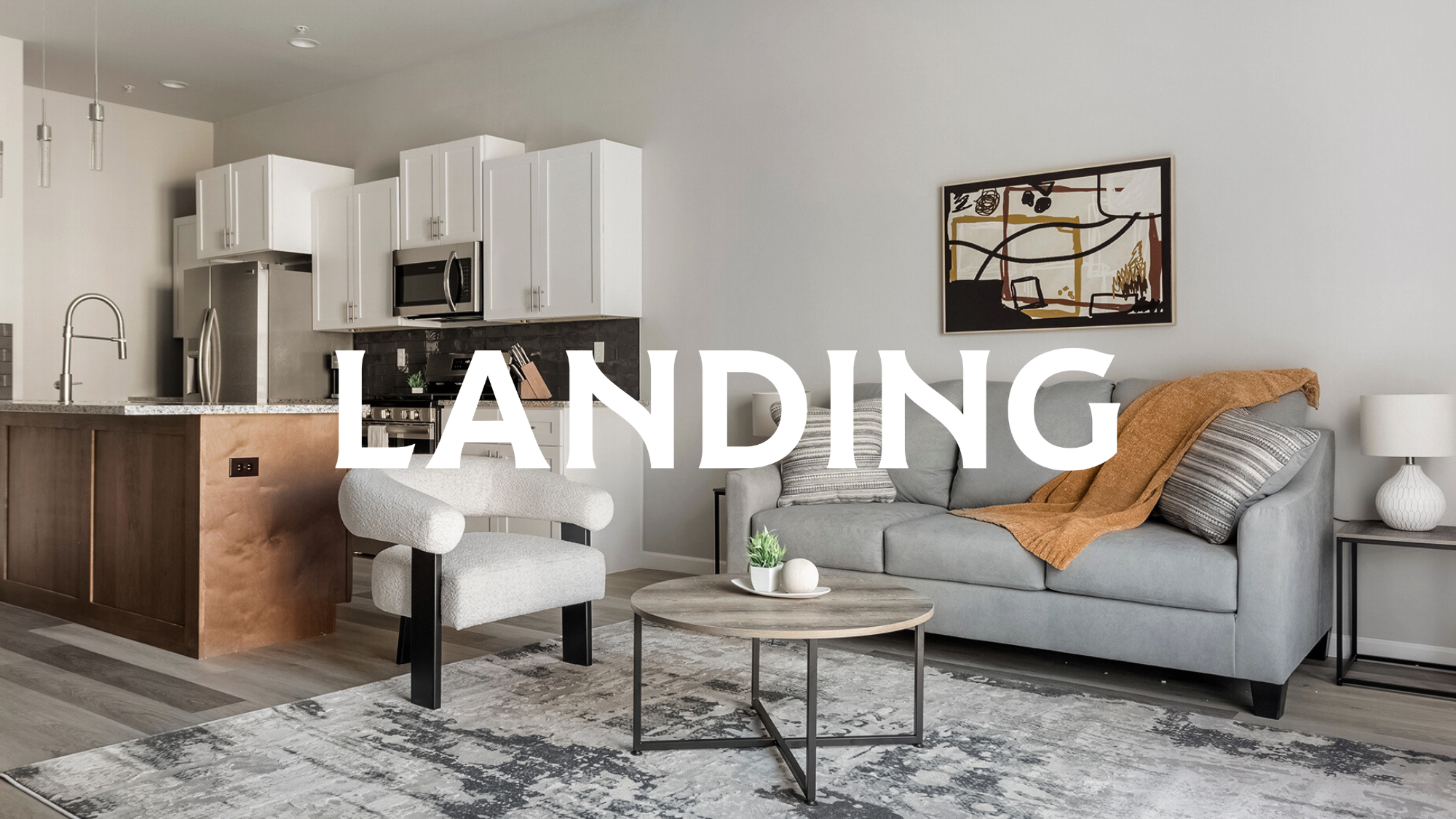
Today Landing has fully furnished apartments in more than 400 U.S. cities. Each one arrives set up: a bed with linens, a full kitchen with appliances and cookware, a washer and dryer in the unit, a desk and chair, and fast WiFi. Utilities are included in the price breakdown, so you don’t open separate accounts, and your checkout page shows the full cost before you confirm. Direct bookings don’t require a traditional security deposit. Local support runs 24/7 through the app, by phone, or in person, and members can request a transfer to a different Landing apartment in another city, subject to availability and the terms of the stay.
Available stay lengths vary by apartment and by market, so the commitment is set by the home you pick rather than by a single company-wide rule. For companies placing relocated employees or project teams, Landing’s corporate housing program handles the same setup without asking anyone to assemble it vendor by vendor.
Is LaaS Cheaper Than a Traditional Lease?
Sometimes, and the answer depends on how long you stay and what you count. A furnished flexible home usually carries a higher monthly rate than an empty apartment on a twelve month lease. Base rent tells part of the story.
For a fair comparison, add furniture, housewares, movers, application costs, deposits, utility setup, internet, overlap between homes, and any penalty for leaving early. Then spread all of it across the time you’ll actually live there.
For a stable stay of several years, the traditional lease usually wins on monthly cost. For a shorter stay or a timeline that might move, setup and exit costs narrow the gap or flip it. We ran that math in flexible living is more affordable than you think.
You may also like:
- Corporate Housing for Job Relocation
- The Best Corporate Housing Companies
- Your Guide to Furnished Apartments
- Airbnb Alternatives for Longer Stays
Where Your Plans Land
The six month assignment that becomes eight. The closing that slips. The city you move to before you’re sure about it. Those are the moments a twelve month lease handles worst, and the ones this model was built for.
Landing’s furnished apartments come with flexible lease terms, utilities in the price breakdown, 24/7 local support, and no traditional security deposit on direct bookings. Find a home that fits the plan you have today, with room for the one you might have tomorrow.