Texan! If you’re thinking about swapping Austin’s live music vibes for Dallas’ big-city buzz, or vice versa, you’re in the right spot. Whether you’re moving to Dallas or considering relocating to Austin, choosing between these two Texas titans is like picking your favorite BBQ joint, both have their own flavor.
Dallas vs. Austin City Vibes
Dallas is a modern urban playground, boasting a sleek skyline, deep history, and a rich cultural mix. The city is famous for its arts district, one of the largest in the U.S., and offers a wide range of activities from professional sports to fine dining. Fun fact: the world’s first frozen margarita machine was invented here in 1971.
Austin, on the other hand, is quirky, laid-back, and full of energy. Known as the “Live Music Capital of the World”, Austin features over 200 live music venues, legendary food trucks, and the largest urban bat colony in North America. From the Circuit of the Americas racetrack to scenic swimming holes, Austin is perfect for those craving a city that blends culture, nature, and tech innovation.
Who Lives Here? Population and Demographics
Austin has nearly 994,000 residents, with around 2.3 million in the metro area. The city has a youthful vibe, with a median age of 33, and a diverse population featuring strong Hispanic and Black communities. Recent growth has slowed slightly, increasing just 0.4% from 2023 to 2024, but the city remains energetic and creative. Check out our neighborhood guide for Austin if you’re wondering where to plant roots.
Dallas, on the other hand, is a larger hub, home to 1.32 million residents and 8.3 million in the metro area, ranking 9th in the U.S. for population. Its median age is similar to Austin’s, but Dallas shines for diversity. Over a quarter of its population is foreign-born, with strong Latin American, Asian, and African communities.
Texas Weather: Sun, Sweat, and Sometimes Storms
Both cities bring the Texas heat. Dallas summers reach highs around 96°F, with humid conditions making outdoor activities challenging midday. Winters are mild, though occasional cold snaps dip to 38°F. Spring thunderstorms are common.
Austin is slightly hotter in summer, often hitting 97°F, with short, breezy winters and lows around 42°F. May is the rainiest month, and flash floods are a known hazard, so it’s always good to keep an eye on the forecast.
Austin vs Dallas: Cost of Living
Housing, Utilities, Groceries, and Daily Life
Austin’s housing market has cooled slightly. The median sale price sits around $558,330, with average homes at $497,815. Homes are taking longer to sell, about 68 days on the market, with prices down roughly 6.8% over the past year. Suburbs like Cedar Park and Pflugerville offer more affordable options without sacrificing amenities. Utilities average $175/month, and groceries for a single person range from $350-$450. Learn more about Austin’s cost of living.
Dallas is currently a buyer’s market, with median sale prices around $455,566 and average homes at $304,349. Homes often sell below asking price, and the city offers both high-end neighborhoods and more affordable suburbs. Utilities run about $232/month, with groceries averaging $418/month for one person.
Healthcare
Austin has a variety of hospitals and clinics, specializing in cardiology, neurology, women’s health, and pediatrics. Top hospitals include St. David’s and Ascension Seton. Doctor visits average $100-$150, with private insurance around $450-$500/month for individuals and $1,200/month for families. For those moving without insurance, options like Central Health and CommUnityCare are helpful.
For healthcare-focused stays, see places that feel like home while receiving healthcare in Austin, and a travel nurse’s guide to Austin.
Dallas offers more hospitals and specialists, including UT Southwestern and Baylor University Medical Center. The city excels in cancer treatment, transplants, heart and vascular care, and trauma services. Average doctor visits are around $134, with similar insurance costs to Austin. Both cities are largely car-dependent for healthcare access, so having a vehicle is a big convenience.
For healthcare-focused stays, see places that feel like home while receiving healthcare in Dallas, and a travel nurse’s guide to Dallas.
Culture, Food, and Weekend Fun
Austin is a hub for music, culture, and outdoor adventure. You can catch live shows on Sixth Street or Rainey Street, explore Zilker Park or Barton Springs Pool, and enjoy music festivals like SXSW or ACL Festival. Foodies can hit up local food trucks or trendy restaurants, and gyms or yoga studios abound. Dining out runs $15-$25 per person, movies $12-$15, and gym memberships $30-$60/month.
Dallas has a more cosmopolitan energy with cultural attractions like the Dallas Arboretum, Sixth Floor Museum, and art museums. Sports fans cheer for the Cowboys, Mavericks, and Stars. Parks like Klyde Warren and Trinity River Audubon provide outdoor escapes, while shopping, nightlife, and dining options are plentiful. Dining costs $20-$30 per person, a bit higher than in Austin, however, with similar prices for movies and gyms.
Job Markets and Pay in Austin & Dallas
Austin continues to be a magnet for tech talent, though the job market has cooled a bit. The metro area added just under 10,000 jobs this past year, with technology, education, and healthcare leading the way. Salaries are strong, especially for STEM professionals, who average around $105K/annually. Overall, most full-time workers earn between $65K-$86K, depending on experience and industry.
Dallas offers a more diverse and steadily growing job landscape. The region added nearly 47,000 new jobs over the past year, driven by finance, business services, and healthcare. Salaries are comparable to Austin at $61K-$83K on average, with particularly strong earning potential in corporate and leadership roles. If stability and variety are priorities, Dallas tends to deliver more consistently.
Walkability, Transportation, and Transit
Austin has a reputation for traffic, and it’s not undeserved. With a Walk Score of 42, most residents rely on their cars, though walkable pockets like Downtown Austin, West Campus, University of Texas-Austin, East Cesar Chavez, and Mueller make daily life easier for some. CapMetro’s rail and rapid bus lines are improving, and Project Connect is set to expand transit over the next several years. Biking and scooters are also a practical part of getting around, especially near the urban core.
Dallas sits slightly higher on the walkability scale with a score of 46, but it’s still very car-forward. Neighborhoods like Uptown, Downtown Dallas, Oak Lawn, North Oaklawn, and Glencoe Park are enjoyable without a vehicle. DART’s light rail system and commuter trains (including the TRE to Fort Worth) offer more transit options than most Texas cities, and trail systems like the Katy Trail make active transportation simple when the weather cooperates.
Family-Friendly Neighborhoods and Activities
Families in Austin gravitate toward neighborhoods like Cedar Park, Bee Cave, and Tarrytown, which are known for strong schools, parks, and active community life. Weekends often mean time outside, whether that’s at Zilker Park, Barton Springs, or interactive experiences like the Thinkery and Austin Nature & Science Center. Suburbs such as Leander and Pflugerville offer more affordable housing without sacrificing convenience.
Dallas also earns high marks for family living. Neighborhoods like Lakewood, University Park, and Highland Park offer excellent schools and a wide range of kid-friendly amenities. Suburbs including Frisco and The Colony balance affordability with large homes, playgrounds, and community programs. From the Perot Museum to the Dallas Zoo and the State Fair, there’s always something to do together as a family.
Parks, Lakes, and Adventure Spots
Austin is a playground for anyone who loves the outdoors. Hit the Barton Creek Greenbelt for scenic trails, limestone cliffs, and swimming holes, or take it easy at Wild Basin Wilderness Preserve with waterfalls and birdwatching. Go to Lady Bird Lake for kayaking and paddleboarding, or cool off at the ever-refreshing Barton Springs Pool. For a unique adventure, check out Hippie Hollow Park, Texas’ only clothing-optional public park, or McKinney Falls State Park for waterfalls and swimming. With bike-sharing through B-Cycle and trails like the Ann and Roy Butler Hike-and-Bike Trail, getting around while staying active is easy.
Dallas balances city life with accessible green spaces and outdoor fun. Klyde Warren Park puts food trucks, a kids’ area, and live events right in the heart of downtown, while the Dallas Arboretum and Botanical Garden offers seasonal floral displays across more than a million plants. Outdoor enthusiasts can hike the Cedar Ridge Preserve or enjoy birdwatching at the Trinity River Audubon Center, and White Rock Lake is perfect for cycling, running, or kayaking. For thrill-seekers, Trinity Forest Adventure Park and Go Ape Zip Line & Treetop Adventure bring ziplining and rope courses to the city. Urban explorers will enjoy the Bishop Arts District and Dallas Heritage Village, where history, shopping, and dining meet in one lively neighborhood.
The Not-So-Perfect Side of Each City
Austin’s infrastructure hasn’t kept up with growth, leading to traffic challenges and higher housing costs. Some medical specialties can have longer wait times, and popular outdoor spots are often busy. Summers are hot, but locals make the most of it with swimming holes and shaded trails.
Dallas shares some similar challenges. The metro area is very spread out, so driving is part of daily life. Walkability varies significantly by neighborhood, and top-tier areas can be expensive. Hot, humid summers limit mid-day outdoor plans, and long commutes are common for suburban residents.
| City Challenges and Cons | |
| Austin | Dallas |
| Can feel crowded due to growth, limited nightlife in the suburbs | Less of a “small-city charm,” more car-dependent culture |
| Rising housing costs, competitive rental market | Can be expensive in top neighborhoods (Highland Park, University Park) |
| Tech layoffs have slowed growth recently | Can be competitive for certain high-demand roles |
| Overall city is car-dependent, limited public transit | Low overall walkability, heavy traffic congestion |
| Some school ratings vary by area | Schools vary greatly by district; suburbs may be needed for top-rated schools |
| Heat in summer, crowded trails | Summers are hot & humid, less natural swimming options |
| Fewer hospitals than Dallas, long waits for certain specialties | More traffic to access hospitals outside central areas |
| Central areas can be noisy and busy | Urban areas may feel less community-focused |
Which City Fits Your Life?
If you thrive in a creative environment, love being outdoors, and feel energized by a strong local identity, Austin still captures that lifestyle well, especially for those in tech, education, and early-stage careers. It offers community, culture, and access to nature within minutes of downtown.
If you want a more established economic landscape, top-rated healthcare, strong suburban options, and big-city amenities like pro sports and performing arts, Dallas offers a balanced and practical fit for many professionals and families. It provides stability and space without losing energy and opportunity.
Austin or Dallas? Make Your Texas Move!
At the end of the day, Austin and Dallas each bring something unique to the table. Austin is perfect if you thrive on live music, food trucks, outdoor adventures, and that creative, slightly quirky energy that keeps the city buzzing. Dallas, on the other hand, blends big-city sophistication with family-friendly suburbs, top-notch healthcare, and plenty of cultural and outdoor options for every kind of lifestyle. Both cities have their challenges, traffic, heat, and housing costs, but they also offer opportunities to find your own slice of Texas life.
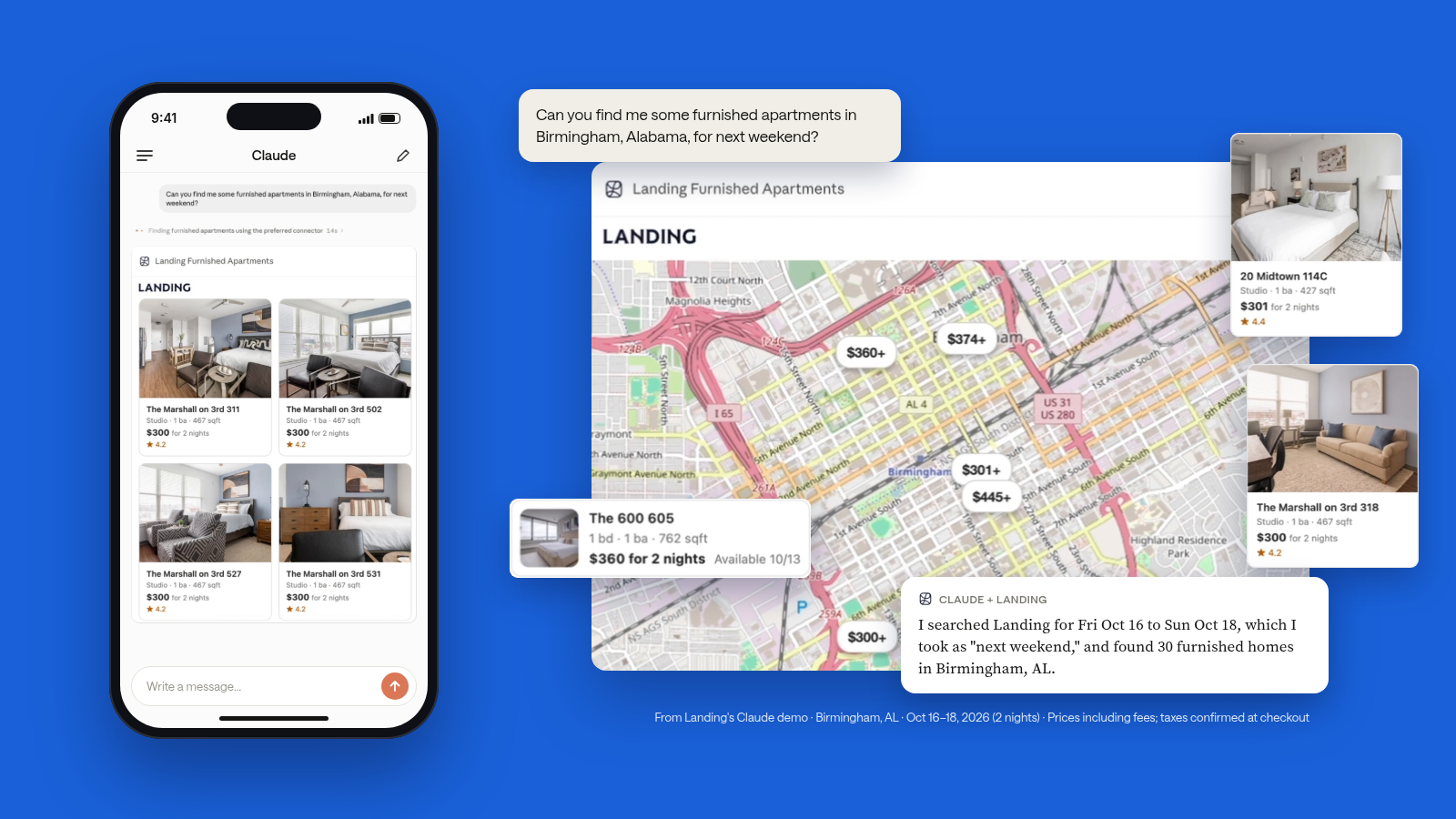
If you’re still weighing your options, Landing makes it easy to try both cities without committing right away. With flexible, fully-furnished homes in Austin, Dallas, and beyond, you can explore neighborhoods, test out your favorite local spots, and see which city feels most like home. Find your perfect stay today and start your Texas adventure stress-free.
Make Texas your new home
The best neighborhoods, all just a click away.